Cold Weather Staple: Fashion Fleece

fashion fleeceWhen it’s important for your brand to be seen in more places than just the customer’s backyard, fleece garments with fashionable styling, lighter weight fabrics and better fit are an option that has grown in popularity.  And since branded apparel purchases are generally more costly than the average promotional product, selecting a style that many consumers would choose for themselves is the best way to get the biggest return on those limited marketing funds.

The trends in retail fashion influence the corporate clothing market, and now that market offers styles that range from rustic, casual fleece jackets to polished, sleek options with contrasting drawcords and white metallic zippers. Performance fabrics provide warmth with less weight, and moisture-wicking technology draws perspiration away from the body in order to maintain warmth and dry skin.  Color choices range from earth tones to jewel tones, while always maintaining the classic white, black and navy for the more conservative crowd.  Even with classic college-style crewneck and hoodie sweatshirts, corporate apparel suppliers have answered the call with distressed fabrics, hockey style laced fronts and retro styling.

Gone are the days when the choices for branded sweatshirts and fleece jackets were limited to four basic (or some might say “boring”) styles offered in three colors and the five standard men’s sizes.  Enlist creative thinking and consider your audience when choosing the best fashion fleece for that next executive premium or customer gift-with-purchase – the improved brand awareness and customer appreciation will be worth it!

(Image via Tri-Mountain)

A Case Of The Blues

blue-peacock-keiser_1338_600x450This summer, the world’s top designers have rolled out fashions in every shade of blue, from icy blues to deep denim blues, and everything in between.  The color is often associated with health, loyalty and wisdom, so it is also a natural fit for many corporate logos and promotional apparel choices.

According to Karen Haller, an internationally renowned business color and branding expert, brands use blue to seem calm and logical.  Blue relates to the mind, so consumers associate it with logic and  communication.  It’s also serene, like the ocean, and calming to look at.  However, the wrong tone of blue “can make a brand appear cold, aloof and unapproachable”.  She goes on to say that companies can double their branding message by seriously considering color choices.  The results are seen in 3 key areas of the business:

  • Makes your brand instantly recognizable
  • Stand out from the competition
  • Increases sales and profits

Considering all the choices in the various shades of blue for hats, shirts, and jackets that are offered by promotional industry suppliers, there are no shortage of options to capture exactly the right hue for every corporate purchase.  The next time you ask your branded merchandise provider for product samples, be sure to request a variety of colors, as well as different styles, so your color message is clear!

Photograph by Anne Keiser for National Geographic

Increase Your Socially Responsible Footprint

corp soc respAccording to BusinessDictionary.com corporate social responsibililty (CSR) is “A company’s sense of responsibility towards the community and environment (both ecological and social) in which it operates.”  This concept has been around since the late 1960’s, and since that time corporations increasingly realize the value of the improved brand reputation that comes from a commitment to CSR.

CSR initiatives are a powerful branding tool when executed in a way that demonstrates a true commitment, rather than just a PR gesture.  Printing on both sides of the copy paper and recycling pop cans isn’t enough to establish a company as socially responsible.  Using sustainable materials in manufactured products;  reducing energy consumption in operations; and donating employee time to community projects are all practical ways to increase the corporate socially responsible footprint.  Oh – and let’s not forget another important action that can demonstrate our pledge to social responsibility – buying and distributing promotional products that are eco-consious, and, in some cases, sourced from fair trade, fair wage suppliers.

Examples of socially responsible products range from gourmet food produced in Yonkers, NY by a bakery committed to fair wages and community renewal, to tote bags made in Cambodia from recycled mosquito netting.  Jewelry is created from tagua seeds that are harvested from the sustainably-harvested Ivory Nut Palm grown in the rainforests of Columbia.  And something as simple as an organic cotton coffee cup sleeve ($3.00 for an opening order minimum quantity of 100 pieces) supports Kenyan mothers of children with special needs.  The prices vary as widely as the products, so there is a product and a pricepoint to fit most corporate marketing needs.

Most of us understand that not everything purchased to promote brand awareness can be eco-friendly.  Sometimes the pricing can’t meet the budget guidelines, and other times the product options don’t offer choices that speak to the target audience.  But with all else being equal, companies that actively promote their corporate social responsibility programs by putting their brand on products that speak to their commitment to society and the planet, are viewed more favorably.

Earth Day is April 22 – now is a good time to give visible testament to how your company plans to increase your socially responsible footprint!

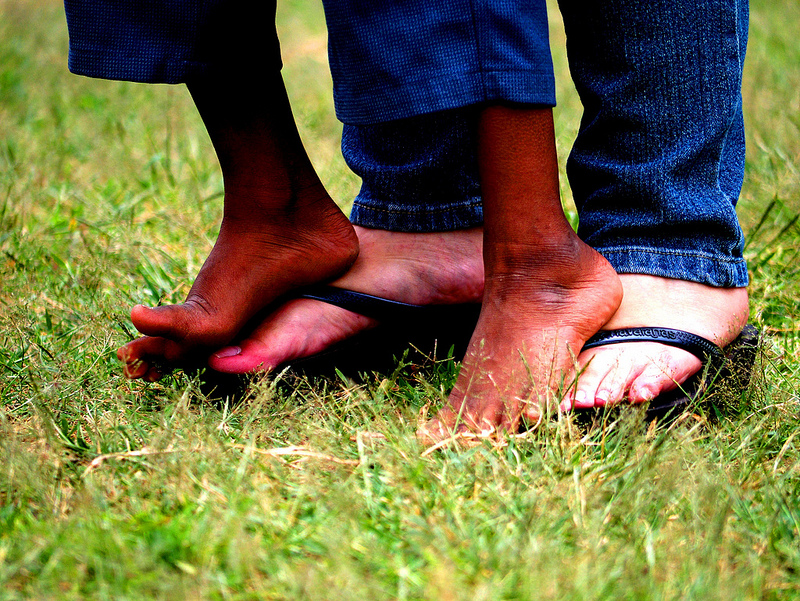
(Image courtesy of Tawheed Manzoor)

Product Safety And Sustainability

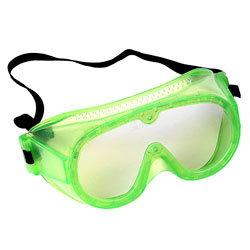
gogglesSafety and sustainability will continue to grow in importance when considering promotional product options,  and an argument can be made that these issues should carry as much significance for the buyers as the merchandise budget.  Promotional product vendor partners have an obligation to proactively address the issues of safety and compliance before presenting product options for client consideration – and at the same time should continue to promote products and practices that support environmental stewardship.

To help with the issue of product safety, the promotional products industry can look to the Quality Certification Alliance (QCA), “… an independent, accreditation organization whose mission is to elevate the standards by which industry firms that import and/or manufacture promotional products provide consistently safe, high-quality, socially compliant and environmentally conscientious merchandise.”  Recalls and product safety issues could damage the brand image, and worse, potentially harm the recipient.  Knowing and supporting the product suppliers that comply with established safety standards is a best practice that will protect both the company brand and the customer.

Regarding the growing demand for more earth-friendly products, there are many ways for the promotional product vendor, and corporate customer, to do more while maintaining its focus on strengthening the brand identity.  Reducing energy consumption and recycling paper in the office are always a good place to start.  But it’s not difficult to go further by using branded products made from recycled materials, requesting biodegradable eco-friendly packaging materials, and finding printers that use water and soy based inks for screenprinting.  In some cases, the cost may be a bit higher, but the long-term gains in a healthier planet, as well as the appreciation from the educated, eco-conscious consumer, will pay dividends that may not have been considered.

Safety and sustainability are easy issues to support during a casual conversation or in a well-drafted mission statement.  But as more consumers begin to question the impact of corporate give-aways on their planet and in their homes, it may be time to incorporate that discussion during the next meeting with your promotional products provider.

Global Study On Effectiveness Of Promo Products – Part III

Cats_Out_of_BagThe cat is out of the bag!  The Global Advertising Specialties Impressions Study conducted by ASI (Advertising Specialty Institute) concludes that bags generate the most impressions of any other branded product in the study.  That finding may beg the question – what are impressions?  In this study, the number of impressions a product derives is calculated by “… multiplying how long a recipient owns an item to how many people he comes in contact with each month while using it.”

Keeping this definition in mind, it should be no surprise that bags come out on top considering they are frequently used, particularly in public places, where they are seen by other people.  Next in popularity of impressions are caps – then writing instruments, outerwear and t-shirts.  The items that create the fewest impressions are those intended for personal use, like USB drives, health and safety items, and consumables.  These items are given to impress the recipient, and are selected with a different campaign goal in mind.

Finally, one of the most important questions corporate customers have about advertising specialities is how they stack up against other media in terms of cost effectiveness.  According to this study, promotional merchandise is less expensive per impression than almost any other type of advertising.  It beats out prime time television, national magazine and newspaper ads with a cost of 0.6 cents per impression vs 1.8 cents for TV and magazines, and 0.7 cents for newspapers.  With the ability to take a more focused approach to the recipient while giving even the smallest companies the ability to achieve the same ROI as major corporations, branded products have a unique and undeniable place in the advertising world.

It’s always beneficial to have tested data to help marketing teams decide how to best use their budgets in order to achieve the highest return on investment.  Now that you know the facts, the next meeting with your promotional products provider should be a lot more productive!

Global Study On Effectiveness of Promo Products – Part II

rememberDo you ever wonder if that logo product that was distributed at the recruiting fair kept your company front of mind, or did your brand message fade as soon as the lights went out?  According to the 2012 global study on the effectiveness of promotional products conducted by the Advertising Specialty Institute (ASI), owners of branded promotional merchandise remember the advertiser 87% of the time, with outerwear being the item with the highest advertiser recognition at 97%.  And when it comes to the question of how recipients really feel about the advertiser, an average of 52% feel more favorable after receiving a branded item, with outerwear once again leading the charge with a 73% approval rating.

This data shouldn’t surprise us considering how we all feel about receiving free “stuff”, but amid the growing sensitivity to what impact waste has on our environment, many corporate givers have begun to consider the fate of these promotional products.  To help ease those fears, the study results show that if a recipient gets something they don’t want to keep, 66% of them give it to someone else, 18% put it away and forget about it, and only 16% throw it away.  This is good news for the advertiser since the impression from the re-gifted item goes beyond the targeted customer, and also for those concerned that our merchandise not go immediately to the landfill.  Of course, this also gives us all good reason to consider the usefulness of an item when looking at promotional product options.  (does anyone really keep those foam fingers?)

The study rounds out the question of the effect of promotional merchandise by asking if the recipient was persuaded to buy from the advertiser after receiving the gift.  According to the study, when consumers were asked how likely they were to do business with an advertiser they hadn’t previously done business with after receiving an item, about 31 percent said they were more likely to do business with them in the future.  With nearly 1/3 of the recipients likely to support the corporate giver after receiving a branded item, it’s not hard to understand why that tool remains an important part of the overall marketing initiative.

Next week Part III will summarize the study’s findings on number of impressions and cost effectiveness of promotional merchandise.  Stay tuned!