Taking It To Extremes

1349975049According to the Global Industry Analysts, Inc (GIA) report on the popularity of extreme sports, the global demand for these high adventure activities is expected to surge. No longer reserved for the eccentric, the customer base is broad and comprises of teenagers and young adults to more mature, mainstream sectors of the population.  Some extreme sports have even surpassed more conventional sports in popularity.

What does that mean for corporate marketing departments?  For one thing, it means that companies targeting daring, sports-minded consumers should be conscious of the fact that some of those sports may fall into the the extreme category, and the promotional merchandise they give away should be able to stand up to the same elements these sports enthusiasts endure.

A few products that can hold their own under extreme conditions:

Eco Extreme Speaker Case:  Durable, high quality speaker case that can be used by snowboarders and hikers – but is also perfect for golfers and boaters.  It’s a waterproof case that floats, with built in speakers to carry the sound of an iPhone, Ipod or other MP3 player, and can withstand falls, drops and the elements.

Quench Hydration Packs:  Made from durable 840D polyester, this ready-for-anything backpack offers a large main comparment and a separate rear compartment that holds a 2-litre water reservoir.  Extra pockets for storage and padded back panel, waist belt and adjustable straps gives the sports enthusiast the ability to stay hydrated while climbing that last 100 feet.

Sunglasses by Coleman:  Polycarbonate frames, polarized lenses and rubber molded detail for comfort make these sunglasses an essential part of the arsenal when the sun is shining off the helmet of the biker in front of you.  Shock proof case provides protection and microfiber cloth keeps them clean.

Extreme sports are gaining in popularity for participants and spectators.  Sports of all kinds have been popular since the beginning of time.  Corporate marketers looking to get their brand in front of an active, aggressive audience need to consider products that can keep up with their lifestyles.   Ask for samples and take them for a test drive – if you dare!

Product Safety And Sustainability

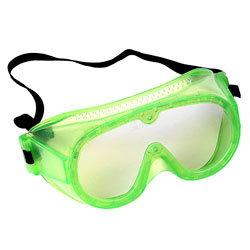
gogglesSafety and sustainability will continue to grow in importance when considering promotional product options,  and an argument can be made that these issues should carry as much significance for the buyers as the merchandise budget.  Promotional product vendor partners have an obligation to proactively address the issues of safety and compliance before presenting product options for client consideration – and at the same time should continue to promote products and practices that support environmental stewardship.

To help with the issue of product safety, the promotional products industry can look to the Quality Certification Alliance (QCA), “… an independent, accreditation organization whose mission is to elevate the standards by which industry firms that import and/or manufacture promotional products provide consistently safe, high-quality, socially compliant and environmentally conscientious merchandise.”  Recalls and product safety issues could damage the brand image, and worse, potentially harm the recipient.  Knowing and supporting the product suppliers that comply with established safety standards is a best practice that will protect both the company brand and the customer.

Regarding the growing demand for more earth-friendly products, there are many ways for the promotional product vendor, and corporate customer, to do more while maintaining its focus on strengthening the brand identity.  Reducing energy consumption and recycling paper in the office are always a good place to start.  But it’s not difficult to go further by using branded products made from recycled materials, requesting biodegradable eco-friendly packaging materials, and finding printers that use water and soy based inks for screenprinting.  In some cases, the cost may be a bit higher, but the long-term gains in a healthier planet, as well as the appreciation from the educated, eco-conscious consumer, will pay dividends that may not have been considered.

Safety and sustainability are easy issues to support during a casual conversation or in a well-drafted mission statement.  But as more consumers begin to question the impact of corporate give-aways on their planet and in their homes, it may be time to incorporate that discussion during the next meeting with your promotional products provider.

Trade Show Checklist

trade-show-crowdd1January signals the start of the 2013 trade show season.  The time when every company takes stock of the success of the shows from the previous year, and moves forward with a fresh perspective and  renewed energy for marketing their business. Some companies have a dedicated trade show associate who is famililar with the routine and has the execution of details down to a fine science.  For the rest of the corporate world, a trade show checklist can be a helpful tool when the task falls to one or two willing individuals who stayed in the room just long enough to be “volunteered” for this sometimes daunting assignment.

  1. Fill out and submit application. This provides the opportunity to submit payment and secure booth space.  Tip:  best booth space is at a high traffic location that limits congestion (no exits, entrances or restrooms)
  2. Confirm exhibitor services & accessories.  Carpet, table, chairs, curtains, electrical, wi-fi, audio-visual, telephone, housekeeping, lighting and security.  Tip:  most trade show organizers will include this information in the exhibitor packet, but it is always prudent to check everything against your own internal list.
  3. Prepare booth.  The construction, layout and graphics of the booth should allow easy display of all product, with creative methods of highlighting new merchandise or services.  Tip:  the money saved on a smaller booth space or fewer shows could be well spent on better display graphics to maximize the experience for the customer
  4. Order promotional materials.  Advertising, print material, product give-aways, pre-show mailings, and customer hospitality items.  Tip:  allow for a minimum of three to four weeks lead time for delivery of custom branded products
  5. Make reservations for booth staff.  Airlines, hotels, ground transportation and dinner reservations should be made as far in advance as possible.  Tip:  respect for the comfort of the staff will pay high dividends with a positive attitude at the show
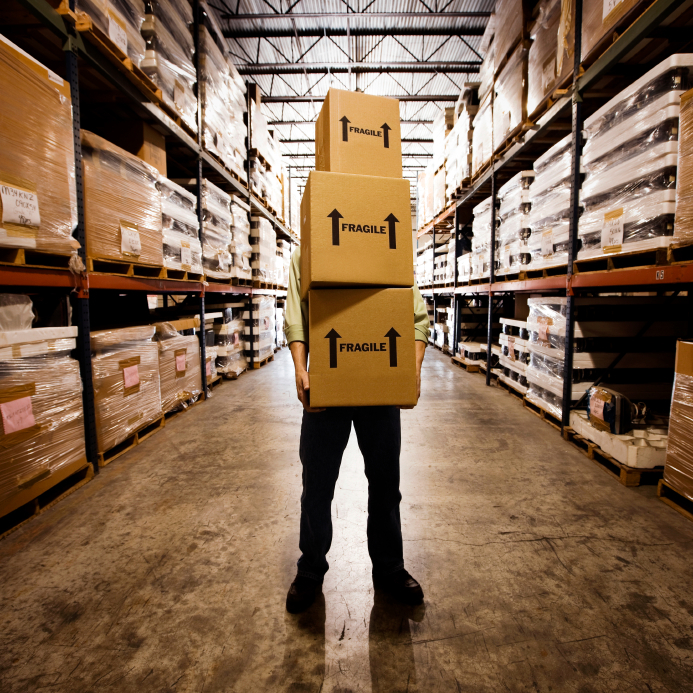
  6. Establish shipping logistics.  Arrival, labeling, storage, and return of all shipped items should be determined and confirmed with carrier and trade show manager.  Tip:  poorly labeled packages have a way of getting lost
  7. Follow up on all leads!  Do this in the first week after the show.  Confirming the possibility of a sale, or even casual interest for future consideration, will provide valuable feedback for the next trade show.  Tip:  potential customers want to hear from you, but it’s unlikely they will make the time to place the first call

Trade shows are an effective way to reach new audiences, but only if they are well executed without any embarrassing glitches.  Make a list and check it every day until the show is over and you’re back at your desk – you will be glad you did!

(Image via photopin)

New Year Brings New Hot Product Picks

holiday 2013At the start of every new year, I prepare myself for the inevitable question that every corporate promotional product customer asks – what are the new product ideas that deliver the highest perceived value for the most budget friendly price?  While all the new products are too numerous to list, and many times the word new refers only to a different feature on a classic style, there are always a few items that stand out to me for no other reason than I think they are cool!  Of course, judging the cool factor is very subjective, but what follows is only the beginning of a list that we will explore and evaluate together throughout the year.

  1. Yoga Pants with customized sublimated waistbands.  Good karma!
  2. Heat Cuffs use new technology that sends heat through pulse points to your hands and feet.  Stay warm!
  3. Bicycle Helmet Cover features full color imprint on form-fitting Lycra material.  One size fits most.  Heads up!
  4. Cup Shape Tissue Dispenser fits in your car cup holder for easy access.  Holds 40 tissues. Healthy habits at hand!
  5. New Revolution iPad Case features built-in wireless Bluetooth removable plastic keyboard.  All together now!
  6. New Line of Apparel includes hoodies, sweatpants and shorts in flourescent orange, pink and green.  Stand out in the crowd!
  7. Silicone Speaker amplifies iPhone sound with no batteries necessary. Holds iPhone horizontally or vertically.  Turn up the sound!
  8. Retractractable Bottle Opener/USB Flash Drive is offered in metal or plastic.  Open up the possibilities!
  9. iEraser is handheld microfiber piece that glides across the screen of phone, tablet, laptop or TV.  Keep it clean!
  10. Re-Engineered Camelbak Sport Bottle features exciting shapes and colors, great flow rate and easy-clean straw and cap.   Weekend warrior essential!

From the practical to the whimsical, one size definitely does not fit all!   I look forward to moving into the new year with a fresh perspective and sharing what comes next in the world of branded merchandise with corporate partners ready to explore new ways to bring the marketing message to their audience.

Global Study On Effectiveness Of Promo Products – Part III

Cats_Out_of_BagThe cat is out of the bag!  The Global Advertising Specialties Impressions Study conducted by ASI (Advertising Specialty Institute) concludes that bags generate the most impressions of any other branded product in the study.  That finding may beg the question – what are impressions?  In this study, the number of impressions a product derives is calculated by “… multiplying how long a recipient owns an item to how many people he comes in contact with each month while using it.”

Keeping this definition in mind, it should be no surprise that bags come out on top considering they are frequently used, particularly in public places, where they are seen by other people.  Next in popularity of impressions are caps – then writing instruments, outerwear and t-shirts.  The items that create the fewest impressions are those intended for personal use, like USB drives, health and safety items, and consumables.  These items are given to impress the recipient, and are selected with a different campaign goal in mind.

Finally, one of the most important questions corporate customers have about advertising specialities is how they stack up against other media in terms of cost effectiveness.  According to this study, promotional merchandise is less expensive per impression than almost any other type of advertising.  It beats out prime time television, national magazine and newspaper ads with a cost of 0.6 cents per impression vs 1.8 cents for TV and magazines, and 0.7 cents for newspapers.  With the ability to take a more focused approach to the recipient while giving even the smallest companies the ability to achieve the same ROI as major corporations, branded products have a unique and undeniable place in the advertising world.

It’s always beneficial to have tested data to help marketing teams decide how to best use their budgets in order to achieve the highest return on investment.  Now that you know the facts, the next meeting with your promotional products provider should be a lot more productive!

Global Study On Effectiveness of Promo Products – Part II

rememberDo you ever wonder if that logo product that was distributed at the recruiting fair kept your company front of mind, or did your brand message fade as soon as the lights went out?  According to the 2012 global study on the effectiveness of promotional products conducted by the Advertising Specialty Institute (ASI), owners of branded promotional merchandise remember the advertiser 87% of the time, with outerwear being the item with the highest advertiser recognition at 97%.  And when it comes to the question of how recipients really feel about the advertiser, an average of 52% feel more favorable after receiving a branded item, with outerwear once again leading the charge with a 73% approval rating.

This data shouldn’t surprise us considering how we all feel about receiving free “stuff”, but amid the growing sensitivity to what impact waste has on our environment, many corporate givers have begun to consider the fate of these promotional products.  To help ease those fears, the study results show that if a recipient gets something they don’t want to keep, 66% of them give it to someone else, 18% put it away and forget about it, and only 16% throw it away.  This is good news for the advertiser since the impression from the re-gifted item goes beyond the targeted customer, and also for those concerned that our merchandise not go immediately to the landfill.  Of course, this also gives us all good reason to consider the usefulness of an item when looking at promotional product options.  (does anyone really keep those foam fingers?)

The study rounds out the question of the effect of promotional merchandise by asking if the recipient was persuaded to buy from the advertiser after receiving the gift.  According to the study, when consumers were asked how likely they were to do business with an advertiser they hadn’t previously done business with after receiving an item, about 31 percent said they were more likely to do business with them in the future.  With nearly 1/3 of the recipients likely to support the corporate giver after receiving a branded item, it’s not hard to understand why that tool remains an important part of the overall marketing initiative.

Next week Part III will summarize the study’s findings on number of impressions and cost effectiveness of promotional merchandise.  Stay tuned!

Global Study On Effectiveness of Promo Products – Part 1

globeWith the goal of providing corporate customers a statistical cost analysis of the value of promotional merchandise in their brand marketing intiatives, the Advertising Specialty Institute (ASI), the largest media and marketing organization serving the ad specialties industry, sent a  research team to 12 cities from July through September, 2012, to poll nearly 5,000 consumers about the branded products they had received.  In New York, Chicago, Miami, Los Angeles, Seattle, Dallas, Philadelphia, London, Paris, Toronto, Vancouver and Montreal respondents were asked questions about how many promotional products they had received, how they used them, why they kept them, and their impressions of the advertisers that gave them the items.

In this first of a three part series of articles that will summarize the high points of that study, I will focus on the most popular products by category.  Since products are the carriers for the brand logo, it’s important to know which items are most likely to be used by the targeted audience.

In the United States, the following results were reported for the most popular products by category, and their appeal by gender and age.

  • Writing Instruments – 50%  (most popular with women and older adults, 55+)
  • Shirts – 43%  (most popular with men and younger adults, 21-34)
  • Bags – 29%  (most popular with women and older adults, 55+)
  • Calendars – 21%  (men & women are nearly equal on calendars, age 45+)
  • Desk/Office Accessories – 17%  (most popular with women and younger adults, 21-34)
  • Caps/Headwear – 16%  (most popular with men, age 45+)
  • Drinkware – 14%  (most popular with women and gen-x consumers, age 35+)
  • USB/Flash Drives – 9%  (most popular with men and younger adults, 21-34)
  • Health & Safety – 8%  (most popular with middle age women, age 45-54)
  • Outerwear – 5%  (most popular with younger men, age 21-44)

Knowing which products are popular in a particular demographic is important, but the study also concludes that these products are kept by the recipient for an average of 6 months, with awards being held the longest at 7.6 months and writing instruments the shortest at 5.1 months.  Knowing that each promotional product will be around much longer than any other form of advertising makes a strong case for the importance of branded merchandise in any corporate marketing initiative.

The next 2 articles will summarize the study’s findings on the recipients’ view of advertisers and the cost effectiveness of ad specialties.  Once all data has been presented, it should give corporate marketing teams a solid place to begin meaningful conversations with their promotional product providers about their 2013 campaigns and the logo products that will be selected to represent the brand.

New Year Opportunity From Year End Inventory

For businesses that manage corporate promotional product stores, year end inventory reconciliation provides the opportunity to take a final look at the history of item sales and get a fresh perspective on the product mix for the New Year.

Although the monthly sales reports will provide an ongoing analysis tool for the popularity of each item in a corporate fulfillment program, the final inventory count at the end of the year signals the perfect time for everyone to sit down and take a hard look at what products are winners, and which are ready for retirement.  It’s the time when the corporate customer must decide what to do with the unsold stock and, armed with the 12 month usage reports, come to the table with an open mind on how to invigorate the progam with a refreshed merchandise mix.

It is always tempting for the client to let the slow-moving products sit on the warehouse shelf for another year, rather than use budget funds to buy out and distribute that merchandise.  And, in some cases, it’s unavoidable to allow certain items to stay in the program until the stock is depleted.  But, if the inventory has been managed properly throughout the year, with monthly updates and positive action steps between the vendor partner and the customer, there should be very few instances when the product buyout represents more than a small quantity percentage of each sku.

Once the final inventory count is complete, and decisions are made on the disposition of the obsolete merchandise, the fun begins!  New products, new web site enhancements and most importantly, new ideas on how to engage the corporate buyers should all be ready to launch in January.  Ideally, the discussions on those changes were initiated at the beginning of the last quarter of the year, and with agreement from all program stakeholders, implementation can coincide with the energy that comes with the opportunities and possibilities of the New Year.

Year end inventory counts may be a tedious task for the warehouse manager, but for the corporate customer, with the exception of the launch of a completely new on-line store, it is the best opportunity to revitalize a program that supports the corporate brand.