Product Safety And Sustainability

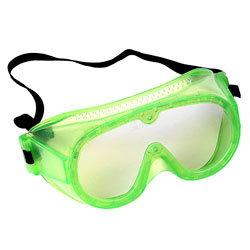
gogglesSafety and sustainability will continue to grow in importance when considering promotional product options,  and an argument can be made that these issues should carry as much significance for the buyers as the merchandise budget.  Promotional product vendor partners have an obligation to proactively address the issues of safety and compliance before presenting product options for client consideration – and at the same time should continue to promote products and practices that support environmental stewardship.

To help with the issue of product safety, the promotional products industry can look to the Quality Certification Alliance (QCA), “… an independent, accreditation organization whose mission is to elevate the standards by which industry firms that import and/or manufacture promotional products provide consistently safe, high-quality, socially compliant and environmentally conscientious merchandise.”  Recalls and product safety issues could damage the brand image, and worse, potentially harm the recipient.  Knowing and supporting the product suppliers that comply with established safety standards is a best practice that will protect both the company brand and the customer.

Regarding the growing demand for more earth-friendly products, there are many ways for the promotional product vendor, and corporate customer, to do more while maintaining its focus on strengthening the brand identity.  Reducing energy consumption and recycling paper in the office are always a good place to start.  But it’s not difficult to go further by using branded products made from recycled materials, requesting biodegradable eco-friendly packaging materials, and finding printers that use water and soy based inks for screenprinting.  In some cases, the cost may be a bit higher, but the long-term gains in a healthier planet, as well as the appreciation from the educated, eco-conscious consumer, will pay dividends that may not have been considered.

Safety and sustainability are easy issues to support during a casual conversation or in a well-drafted mission statement.  But as more consumers begin to question the impact of corporate give-aways on their planet and in their homes, it may be time to incorporate that discussion during the next meeting with your promotional products provider.

New Year Brings New Hot Product Picks

holiday 2013At the start of every new year, I prepare myself for the inevitable question that every corporate promotional product customer asks – what are the new product ideas that deliver the highest perceived value for the most budget friendly price?  While all the new products are too numerous to list, and many times the word new refers only to a different feature on a classic style, there are always a few items that stand out to me for no other reason than I think they are cool!  Of course, judging the cool factor is very subjective, but what follows is only the beginning of a list that we will explore and evaluate together throughout the year.

  1. Yoga Pants with customized sublimated waistbands.  Good karma!
  2. Heat Cuffs use new technology that sends heat through pulse points to your hands and feet.  Stay warm!
  3. Bicycle Helmet Cover features full color imprint on form-fitting Lycra material.  One size fits most.  Heads up!
  4. Cup Shape Tissue Dispenser fits in your car cup holder for easy access.  Holds 40 tissues. Healthy habits at hand!
  5. New Revolution iPad Case features built-in wireless Bluetooth removable plastic keyboard.  All together now!
  6. New Line of Apparel includes hoodies, sweatpants and shorts in flourescent orange, pink and green.  Stand out in the crowd!
  7. Silicone Speaker amplifies iPhone sound with no batteries necessary. Holds iPhone horizontally or vertically.  Turn up the sound!
  8. Retractractable Bottle Opener/USB Flash Drive is offered in metal or plastic.  Open up the possibilities!
  9. iEraser is handheld microfiber piece that glides across the screen of phone, tablet, laptop or TV.  Keep it clean!
  10. Re-Engineered Camelbak Sport Bottle features exciting shapes and colors, great flow rate and easy-clean straw and cap.   Weekend warrior essential!

From the practical to the whimsical, one size definitely does not fit all!   I look forward to moving into the new year with a fresh perspective and sharing what comes next in the world of branded merchandise with corporate partners ready to explore new ways to bring the marketing message to their audience.

Global Study On Effectiveness Of Promo Products – Part III

Cats_Out_of_BagThe cat is out of the bag!  The Global Advertising Specialties Impressions Study conducted by ASI (Advertising Specialty Institute) concludes that bags generate the most impressions of any other branded product in the study.  That finding may beg the question – what are impressions?  In this study, the number of impressions a product derives is calculated by “… multiplying how long a recipient owns an item to how many people he comes in contact with each month while using it.”

Keeping this definition in mind, it should be no surprise that bags come out on top considering they are frequently used, particularly in public places, where they are seen by other people.  Next in popularity of impressions are caps – then writing instruments, outerwear and t-shirts.  The items that create the fewest impressions are those intended for personal use, like USB drives, health and safety items, and consumables.  These items are given to impress the recipient, and are selected with a different campaign goal in mind.

Finally, one of the most important questions corporate customers have about advertising specialities is how they stack up against other media in terms of cost effectiveness.  According to this study, promotional merchandise is less expensive per impression than almost any other type of advertising.  It beats out prime time television, national magazine and newspaper ads with a cost of 0.6 cents per impression vs 1.8 cents for TV and magazines, and 0.7 cents for newspapers.  With the ability to take a more focused approach to the recipient while giving even the smallest companies the ability to achieve the same ROI as major corporations, branded products have a unique and undeniable place in the advertising world.

It’s always beneficial to have tested data to help marketing teams decide how to best use their budgets in order to achieve the highest return on investment.  Now that you know the facts, the next meeting with your promotional products provider should be a lot more productive!

Global Study On Effectiveness of Promo Products – Part II

rememberDo you ever wonder if that logo product that was distributed at the recruiting fair kept your company front of mind, or did your brand message fade as soon as the lights went out?  According to the 2012 global study on the effectiveness of promotional products conducted by the Advertising Specialty Institute (ASI), owners of branded promotional merchandise remember the advertiser 87% of the time, with outerwear being the item with the highest advertiser recognition at 97%.  And when it comes to the question of how recipients really feel about the advertiser, an average of 52% feel more favorable after receiving a branded item, with outerwear once again leading the charge with a 73% approval rating.

This data shouldn’t surprise us considering how we all feel about receiving free “stuff”, but amid the growing sensitivity to what impact waste has on our environment, many corporate givers have begun to consider the fate of these promotional products.  To help ease those fears, the study results show that if a recipient gets something they don’t want to keep, 66% of them give it to someone else, 18% put it away and forget about it, and only 16% throw it away.  This is good news for the advertiser since the impression from the re-gifted item goes beyond the targeted customer, and also for those concerned that our merchandise not go immediately to the landfill.  Of course, this also gives us all good reason to consider the usefulness of an item when looking at promotional product options.  (does anyone really keep those foam fingers?)

The study rounds out the question of the effect of promotional merchandise by asking if the recipient was persuaded to buy from the advertiser after receiving the gift.  According to the study, when consumers were asked how likely they were to do business with an advertiser they hadn’t previously done business with after receiving an item, about 31 percent said they were more likely to do business with them in the future.  With nearly 1/3 of the recipients likely to support the corporate giver after receiving a branded item, it’s not hard to understand why that tool remains an important part of the overall marketing initiative.

Next week Part III will summarize the study’s findings on number of impressions and cost effectiveness of promotional merchandise.  Stay tuned!

Global Study On Effectiveness of Promo Products – Part 1

globeWith the goal of providing corporate customers a statistical cost analysis of the value of promotional merchandise in their brand marketing intiatives, the Advertising Specialty Institute (ASI), the largest media and marketing organization serving the ad specialties industry, sent a  research team to 12 cities from July through September, 2012, to poll nearly 5,000 consumers about the branded products they had received.  In New York, Chicago, Miami, Los Angeles, Seattle, Dallas, Philadelphia, London, Paris, Toronto, Vancouver and Montreal respondents were asked questions about how many promotional products they had received, how they used them, why they kept them, and their impressions of the advertisers that gave them the items.

In this first of a three part series of articles that will summarize the high points of that study, I will focus on the most popular products by category.  Since products are the carriers for the brand logo, it’s important to know which items are most likely to be used by the targeted audience.

In the United States, the following results were reported for the most popular products by category, and their appeal by gender and age.

  • Writing Instruments – 50%  (most popular with women and older adults, 55+)
  • Shirts – 43%  (most popular with men and younger adults, 21-34)
  • Bags – 29%  (most popular with women and older adults, 55+)
  • Calendars – 21%  (men & women are nearly equal on calendars, age 45+)
  • Desk/Office Accessories – 17%  (most popular with women and younger adults, 21-34)
  • Caps/Headwear – 16%  (most popular with men, age 45+)
  • Drinkware – 14%  (most popular with women and gen-x consumers, age 35+)
  • USB/Flash Drives – 9%  (most popular with men and younger adults, 21-34)
  • Health & Safety – 8%  (most popular with middle age women, age 45-54)
  • Outerwear – 5%  (most popular with younger men, age 21-44)

Knowing which products are popular in a particular demographic is important, but the study also concludes that these products are kept by the recipient for an average of 6 months, with awards being held the longest at 7.6 months and writing instruments the shortest at 5.1 months.  Knowing that each promotional product will be around much longer than any other form of advertising makes a strong case for the importance of branded merchandise in any corporate marketing initiative.

The next 2 articles will summarize the study’s findings on the recipients’ view of advertisers and the cost effectiveness of ad specialties.  Once all data has been presented, it should give corporate marketing teams a solid place to begin meaningful conversations with their promotional product providers about their 2013 campaigns and the logo products that will be selected to represent the brand.

Maximum Brand Benefit Through Minimalist Approach

Minimalism brings the simplest and fewest elements together to create the maximum effect.  When building a corporate brand through a promotional merchandise program, the motto less is more becomes a good guide for product selection.

I have always encouraged clients to narrow choices for logo products in their on-line stores to those items that are needed often and must be delivered quickly.  When making the initial product selection, the program administrators are working hard to please all the internal buyers.  Since the premise for the program generally begins with centralized buying for this category of spend, it is always tempting to create a long list of items that presumably appeals to everyone in the organization.  But while the intention is noble, the outcome often creates unnecessary inventory obsolescence and expensive year-end product buyouts.

Stock items should be limited to essentials like pens, padfolios, t-shirts or inexpensive give-aways that are often ordered at the last minute for meetings, trade shows and community outreach.  These items would represent the staple products that everyone in the company recognizes as approved branded material, like stationary or business cards.  Other than those few staples (and the word “few” is relative to the size and reach of the organization) all other logo items or premium appreciation gifts should be purchased with a fresh approach and aimed squarely at the audience it is intended for.

The brand identity is reinforced every time a logo product is received.  But to keep those product choices fresh, minimizing stock items in order to maximize the opportunity for new, creative ideas is a concept that should be considered the next time the company store merchandise selection is being refreshed.

(image via Smash&Peas)

Marketing To The Yogi

Fifteen million people practice yoga in the United States.  77.4% are college graduates and 44% earn more than $75,000 annually, with 24% earning more than $100,000 annually (www.statisticbrain.com).  Considering the weight of these statistics, it seems likely that at some point some of the branded merchandise aimed at the corporate customers during any given campaign will end up in the hands of a yoga enthusiast.  So why not consider a marketing theme and associated products that are aimed directly at this health-conscious audience?

Offering a branded yoga mat, hydration bottle or bamboo towel as part of a wellness campaign, employee motivation program, or gift-with-purchase giveaway are all perfect opportunities to reinforce your company’s support of healthy lifestyle choices.  Presenting the gift in eco-friendly branded packaging materials maintains a consistent message that will radiate out to your audience. Even the most casual exercise buff will recognize the value of the gift, and associate the giver with positive feelings of health and well-being.

With the many health benefits that come with the bending, stretching and deep breathing exercises taught in every yoga class, it is likely that this ancient form of low impact exercise will continue to attract growing numbers of followers.  Marketing to those yogis may also help grow the corporate client base.

Thanks-Gifting For Corporate Appreciation

Fifty five shopping days left!  For those companies that want to express their gratitude to customers during that all-American holiday season of thanks, now is the time to solicit ideas for small, but meaningful gifts of appreciation.

While employee gift choices are guided by company policy and budget, most corporate customers will have a vendor gift policy that limits the dollar value of the gift – usually $25.00 to $50.00 – or restricts the type of gift to something that can be shared in the office, such as a food or beverage item.  The added benefit of no wrong sizes or colors makes food, in a creatively designed package, a perfect appreciation gift for valued customers.

With this in mind, one of my favorite ways to share food without worrying about all the multiple hands diving into the same box of goodies is a new version of the old-fashioned gumball machine.  Fill the glass jar (imprinted with the company logo, of course!) with jelly beans … place it in the break room or reception area … and your brand will always be associated with sweet things!  Jelly beans are gluten-free, some are sugar-free, and they come in a variety of flavors that allow for equal-opportunity snacking.

Thanksgiving is November 22nd – don’t wait for the December holiday season to say “Thanks for being a great partner!”.