
 While retail is going through difficult times – store closures, declining mall traffic, e-commerce competition – the promotional products industry is enjoying tremendous growth in the offerings of brand-name items for corporate branding. Those retail brands are looking for different ways to market themselves, and co-branding through the promo channel is another way for them to advertise.
As for the corporate buyers, they have always wanted access to the quality and name recognition of the retail brands. Even as recently as ten years ago, there were few options for companies that wanted to add their logo to a brand-name item. But today there are retail brands offered in nearly every promotional product category. Apparel brands like The North Face and Under Armour; drinkware brands like CamelBak, Contigo and YETI; and even tech brands like Bose and Beats have jumped on the promo bandwagon.
However, not every customer has the marketing budget for a brand-name giveaway. In that case, retail-inspired products are available at a lower price point and with the same quality. The look and function are similar, and the stock is often more reliable. After all, not every marketing initiative calls for upscale retail products – but if a customer can relate to the style of the product because it looks like something they have seen on social media or in the stores, then it’s unlikely it will end up in the back of their closet.
The interaction between the retail industry and the promotional products industry has changed. The gap between them is closing, and the corporate customers are benefitting from the new opportunities created for creative, impactful promotions.
 Since July, tariffs have been imposed on nearly half of the Chinese goods imported to the US. Those tariffs – which is essentially a tax on an imported good – can either be absorbed by the importer or passed on to the buyer through price increases.
 One of the biggest 2018 trends in fashion and other industries is metallics. As consumers are exposed to this trend in the retail environment in new and innovative products, the corporate customer will expect to receive promotional products that reflect that style direction. Functionality and design are being paired together to elevate the expectations of product recipients, and organizations are poised to respond.
 Brand management is vital for the success of any organization. It affects every aspect of a brand’s products, communications and marketing. The corporate brand manager is the on-staff gatekeeper for your brand, but what about all the companies you partner with to help you get the word out?
 The U.S. exports about one-third of its recycling, and nearly half goes to China. For decades, China has used recyclables from around the world to supply its manufacturing boom. But it has recently declared that the waste coming from other countries includes too many other non-recyclable materials that are “dirty”, even “hazardous”. Therefore, in an effort to develop their country more like a world power rather than the world’s dumping ground, China has instituted strict restrictions on the amount and type of recyclable waste it will accept.
 When one thinks of the word bespoke, it’s a sure bet there are few who would associate promotional merchandise with that very-British term. According to the Merriam-Webster definition, bespoke means “custom-made”. And, although we generally associate that term with tailor-made suits for affluent gentlemen, it is also commonly used when referring to anything that is made-to-order … from furniture to a traveler’s hotel design experience.
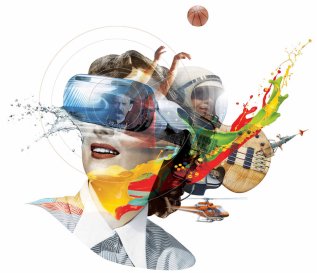 Take a college tour. Test drive a car. Attend an art gallery display. Or give a prospective employee a view of the workspace before they arrive for an interview. Virtual reality gives sellers the opportunity to reinvent the way they market and sell their products.
 Each January, roughly one in three Americans resolve to better themselves in some way, and many of those people will fall short. Among the most popular resolutions is the promise to lose weight and get fit, which suggests just how difficult it is to commit to.
 In order to embrace brand equity, we should have a good handle on what it means. Simply stated, brand equity refers to the value of a brand.
 Our customers want the same things we want – quality products, attentive customer service and a collaborative partnership. We all think that’s what we’re delivering … but is it? With the ever-faster pace of business, and the increasing demands on our time and resources, it’s not good enough to be as good as we were yesterday … we need to be better!
 newfound identity