
 In our media-crazy world, sometimes we forget the importance of a face-to-face setting with others in our industry, or even in our same company. But emails, the internet and the occasional video chat cannot entirely replace a well-run business conference where people can come together to discuss new trends and opportunities pertaining to the business.
Coming together doesn’t have to mean leaving your phones at the door. In fact, today many conference attendees are sharing their experience in real-time on their favorite social media channel. The event may even have a designated hashtag for sharing updates. But regardless of the added bonus of today’s media sharing, the attendees are traveling from different cities, or even countries, for person-to-person educational opportunities, networking and (gasp!) a little bit of fun. So, optimize your next business conference by planning well ahead.
Without going into the specifics of a complete checklist, there are certain important details that should be considered first – namely, the location, the experience and the materials. The venue should align with your brand, target market and event goals, while fitting within your budget demands. The experience – speakers, product demonstrations, games, workshops, & dining – should be planned to address what the people will do, learn and take away from the event. To enhance and expand on that experience, the marketing materials are designed and the promotional products are sourced.
Regarding promotional products, there are quite literally tens of thousands of product ideas for every event, and they range from the practical to zany. Journals and pens for small indoor meetings are a must; tote bags, lanyards, badges and bottled water are perfect for larger trade shows and conferences; sport bottles, caps and tees work well with outdoor events; and any item that can be useful for travel events (beach towels in Florida or backpacks in Colorado) are always welcome. Some items, like personalized robes or a laser engraved bottle of wine for the hotel room are just icing on the conference “cake”.
Conferences are not old fashioned – they are one of the best ways for like-minded professionals to stay in touch. When planning your next conference, be creative. In addition to the educational goals, add an element of fun, and take the time to consider which logo gift item will best keep the brand awareness alive after they return home.
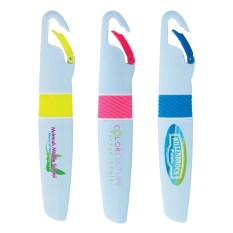 The Advertising Specialty Institute (ASI) data shows the average American owns 10 promotional products and keeps each one for about 8 months. Why? Because they come in handy. Promotional products that are useful are more likely to be kept longer, thereby increasing the number of impressions for that logo, and building brand awareness.

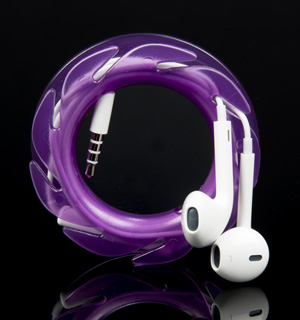
 Continuity programs are often associated with the marketing model of automatic billing for receiving monthly shipments of popular products like the lifestyle beauty and grooming samples offered by Birchbox; paid subscriptions to informative on-line newsletters; or annual renewal services like Amazon Prime’s free shipping program. In the corporate world, successful continuity programs are built with a combination of targeted communication tools and well-considered promotional products in order to attract, engage and retain loyal customers.

 Looking back at the best retail selling trends of 2013, it was a killer year for the sweater.
 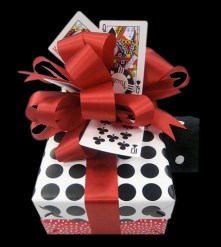 Corporate gift giving is serious business. It helps establish or enhance important relationships with customers and employees. Different than an incentive award given to high achievers, or promotional products used as advertising, the corporate gift should affirm the personal relationship between the giver and the recipient. And there’s no better way to achieve that sense of partnership than with heart felt attention to the details around the presentation of the gift.
 newfound identity