Domestic Manufacturing Makes Sense Again

american madeAccording to a survey by Boston Consulting Group in September, 2013, “More than half of the US-based manufacturing executives at companies with sales greater than $1 billion are planning to bring back production to the US from China …”.  From the viewpoint of these executives, this decision makes good financial sense.

There are 3 main considerations that are driving this movement:

  1. Labor costs:   cited by 43 percent of respondents
  2. Proximity to customers:  cited by 35 percent of respondents
  3. Product quality:  cited by 34 percent of respondents

Other factors include access to skilled labor, transportation costs, supply-chain lead time and ease of doing business.  Especially when considering products that will be sold in the US, when the cost of all of these elements are added together, manufacturing in the US begins to look more appealing as compared to the increasingly costly and complicated nature of importing from China and other off-shore countries.

In addition, while the economics of onshoring makes economic sense for the manufacturer, the social impact of adding factory and related service jobs to the US market must be appreciated as a renaissance for the American workers and consumers alike.  This revival will spark new employee training and re-training of current company associates; facilities improvements; enhanced customer service levels; faster production turn-around; and higher product quality.

Now that domestic manufacturing makes sense again, it will be easier than ever to find affordable USA-made products that can carry your corporate logo.  Consider the possibilities when discussing the next marketing project with your branded merchandise specialist!

Get Charged Up!

iBar_ChartsMobile phones, tablets, MP3 players – in our personal and business lives, much of our time is spent on-the-go, connecting with others through our battery charged devices.  They give us the ability to work from the car, listen to music while mowing the lawn and talk to family members on the way to catching the next flight.  So when considering end-of-year corporate gifts, a perfect gender-neutral option that everyone can use would be a portable battery pack for all those devices that keep  us linked to rest of our world.

Mobile chargers come in a variety of shapes, colors and sizes.  Some offer LED lights, others come equipped with dual USB ports – but all are built to offer convenience, practical effectiveness and size-appropriate dimensions to accommodate the pocket on a tight pair of a college students jeans or the jacket of the CEO’s business suit.   These devices are designed to appeal not just to the tech-savvy consumer, but more to the mainstream users of all sorts of mobile tools.

Considering their universal appeal, it makes sense that any customer would be pleased to receive a branded mobile charger, but what does the corporate giver get in return?

  • Logo Visibility:  the imprint area is usually generous, which gives the corporate logo a high profile
  • Brand Identity:  every time the user plugs in, the corporate brand will be reinforced
  • Positive Brand Association:  giving gifts that reflect the current trends shows corporate awareness of customer habits and lifestyle
  • Customer Loyalty:  customers support the brands that offer products and services that appeal to their emotions as well as servicing their needs
  • Increased Sales:  positive brand identity + expanding customer loyalty = increased sales

This holiday season, consider giving a gift that will get your customers charged up!

(Image via Idol Memory)

Pens … We Never Have Enough!

spectrum penBecause of their mass appeal, writing instruments remain one of the most popular giveaways for corporate marketing events, ranking third in market share of all branded merchandise sales, right behind t-shirts and bags.  To feed the world of pen-hungry recipients, pen style options range from the mundane stick pen to the 14K gold executive fountain pen, with styles and price points to suit every taste and budget.

Financial institutions have long known the power of the pen, giving away countless basic pens in brand specific colors with logos and tag lines that remind the recipient where to go for their next loan.  Entertainment and media giants use pens that allow for multiple rolling messages to advertise their shows, web sites and concert dates.  For companies that work with art establishments and the creative community, The Museum of Modern Art in New York and a well-known promotional merchandise supplier have collaborated to produce pens that showcase innovative materials and embrace MoMA’s design sensibility…simple, good design.

To increase their appeal, pens can be packaged with other promotional items to drive home a marketing campaign or internal corporate initiative.  A pen combined with a business portfolio isn’t exactly unique – but what about a group of low-cost colorful pens in a coffee cup as a welcome gift for new employees?  or a stylus pen with every new touch-screen device?  or a high-end personalized pen combined with a framed award certificate for top performers?

There is a large culture of people who love their pens.  Pens that have fine or thick tips; pens with rubber grips that make writing more comfortable; pens that light up for reading in low light; or maybe just a pen that fits exactly right into the inside pocket of our jackets or purses.   For countless reasons, we never have enough pens.  So the next time a corporate buyer considers pens for a gift or promotion, it’s a good idea to take the time to explore all the ways to make this otherwise ordinary item extraordinary!

When It Comes To Branded Headwear, Think Beyond Twill

cable beanieWhile cotton and twill baseball caps have always been the “go to” choice when considering a hat for a branded giveaway, there are other styles and materials that should  be looked at when the cold weather hits.

Hats, as a category, enable advertisers to place their logo or marketing message in an ideal position for maximum exposure.  So why not take advantage of that exposure on hat styles that appeal to all ages and demographics?  There are fabrics that offer performance features like extra warmth or moisture wicking; and there are styles that appeal specifically to certain audiences, such as hunters, women, youth markets, golfers and sports enthusiasts.  A few examples:

  • Wool cable knit beanies come in a variety of styles from standard knit skull cap to those that offer ear flaps and pom poms.  They appeal to the youth market, outdoor enthusiasts and those who work outside.
  • Viscose wool herringbone newsboy caps are fashionable hats that never went out of style.  They can be seen on young professionals, corporate executives and youthful city dwellers.
  • Corduroy comes back every year in engineers caps, military caps and modified baseball caps.  These work best with the under-30 crowd, but depending on the cut and style, fashionable consumers of all ages would wear this comfy alternative.
  • Straw hats are available in classic men’s and ladies sun hats, fedoras, visors and cowboy hats.  For summer promotions, this is a popular choice with all age groups.
  • Microfiber caps offer breathability in the hot weather, and some styles are available with SPF ratings for sun protection.  Golfers and sports enthusiasts appreciate this popular cap choice in place of the many other twill caps they most certainly already own.

Depending on your audience and where the hat will be worn, thinking beyond the standard twill ball cap can set your brand apart from all the other companies that give away logo headwear.  Ask for choices – you’ll be surprised at the all the ways that branded hats can fit the bill!

A Case Of The Blues

blue-peacock-keiser_1338_600x450This summer, the world’s top designers have rolled out fashions in every shade of blue, from icy blues to deep denim blues, and everything in between.  The color is often associated with health, loyalty and wisdom, so it is also a natural fit for many corporate logos and promotional apparel choices.

According to Karen Haller, an internationally renowned business color and branding expert, brands use blue to seem calm and logical.  Blue relates to the mind, so consumers associate it with logic and  communication.  It’s also serene, like the ocean, and calming to look at.  However, the wrong tone of blue “can make a brand appear cold, aloof and unapproachable”.  She goes on to say that companies can double their branding message by seriously considering color choices.  The results are seen in 3 key areas of the business:

  • Makes your brand instantly recognizable
  • Stand out from the competition
  • Increases sales and profits

Considering all the choices in the various shades of blue for hats, shirts, and jackets that are offered by promotional industry suppliers, there are no shortage of options to capture exactly the right hue for every corporate purchase.  The next time you ask your branded merchandise provider for product samples, be sure to request a variety of colors, as well as different styles, so your color message is clear!

Photograph by Anne Keiser for National Geographic

The Story Behind The Product

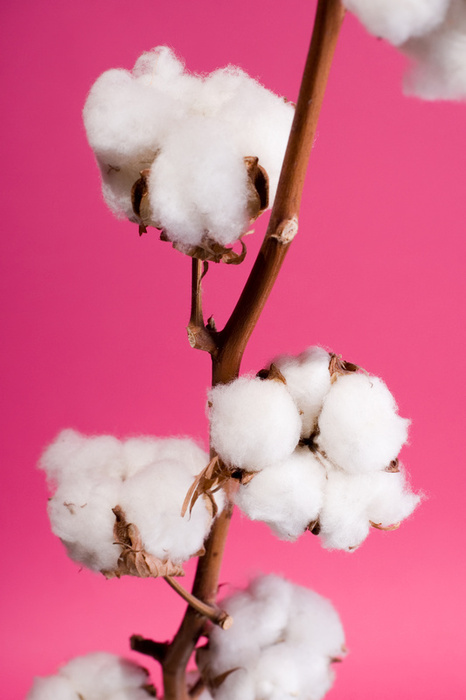
8710cotton_plantWhen considering product choices for corporate branding, the trend is as much about the story behind the product, as the product itself.  Consumers are questioning if they are manufactured in a responsible way, can they be recycled, is it USA made.

From cotton apparel to electronics, whatever brands do to embrace the consumers growing demand for more information on the products they receive, will help build brand loyalty.   It is more important than ever for corporate buyers to consider products that will engage their customers with things to think about and stories that will inspire them.

One of my favorite stories comes from the USA manufacturer of casual cotton clothing, American Apparel.   Founded in 1989, with manufacturing based in Los Angeles, it is one of the few clothing companies exporting USA made goods.  To its credit, it promotes labor policies that excludes use of clothing manufactured in sweatshops, and with the current worldwide attention on the horrors of the Bangladesh clothing factories, this story is one that will resound with every person who receives that branded t-shirt.

Another example of a product supplier with a story worth telling is Gary Line, a manufacturer of plastic molded products such as bike bottles, stadium cups and ice scrapers.  Since the 1960’s, long before recycled products became such an industry trend, they used trimmings and rejects from their molding department to produce recycled products.  Today, using both their own waste and other post-consumer recycled plastics in their USA manufacturing process, Gary Line can offer products that support a cleaner environment and a facility that fosters the call for more USA made merchandise.

These stories, and all the subtle facts behind the other branded products that are distributed to increase brand awareness, could be just the thing that differentiates your t-shirt or bike bottle from the dozens of other logo products every consumer receives.  Your ability to get people thinking about more than just the giveaway, will also make your brand more interesting.  Next time you’re in the market for promotional merchandise, ask about the story behind the product!