
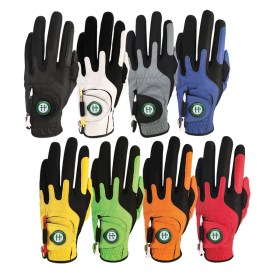
 In recent years there has been a lot of press around the shrinking popularity of golf. Many reasons have been given, but a few of the most common are the cost of equipment, the lack of time in a busy schedule, the difficulty of the sport and the well-publicized fall of the game’s most popular superstar, Tiger Woods.
However, according to the National Golf Foundation, golf’s participation base remains stable. The number of people who played golf on a course in 2017 remained unchanged since the year before (23.8 million), and an additional 8.3 million played at off-course facilities like Topgolf, driving ranges or indoor simulators. In addition, the number of U.S. non-golfers who said they are “very interested” in playing at a golf course hit a new measured high, and helped boost the number of golf newcomers for the fourth year in a row.
All of this is good news for companies that want to reach a wide variety of potential customers. Golf isn’t limited to middle-age executives, as some may imagine. Consider the statistics:
- Juniors (6-17) and young adults (18-34) comprise more than 37% of all on-course golfers. These groups make up 69% of the off-course only participant pool.
- There are 5.8 million women who played golf on a course in 2017. Women account for 24% of the on-course golfer base and 41% of off-course only play.
- Newcomers to golf are increasingly diverse: 35% are female, 26% are non-Caucasian and 70% are under the age of 35.
The variety of branded merchandise that is available for these groups is as diverse as the players themselves. The classic golf staples are always good – branded golf balls, towels, hats and divot tools. But for today’s eco conscious younger players, it’s good to consider more earth-friendly options.
- Reusable water bottles for those that have eschewed disposable one-time-use plastic bottles
- Dissolvable corn starch tees
- Organic cotton polos and hats
- Recycled golf balls
- Recyclable golf pad & pen combo
Spring is around the corner, and the game of golf is going strong. It’s time to start planning for your next golf giveaway.
 While retail is going through difficult times – store closures, declining mall traffic, e-commerce competition – the promotional products industry is enjoying tremendous growth in the offerings of brand-name items for corporate branding. Those retail brands are looking for different ways to market themselves, and co-branding through the promo channel is another way for them to advertise.
 T-shirts, sweatshirts and hoodies are wardrobe staples for everyone. Consumers of comfort clothing will wear a well-designed tee under jackets and blazers; statement sweatshirts can be seen at the gym or, if you’re paying attention, even on many of Taylor Swift’s recent album performances; and hoodies, whether zip-up or pullover, remain a slightly edgy article of clothing that is embraced by youth-driven communities.
 When one thinks of the word bespoke, it’s a sure bet there are few who would associate promotional merchandise with that very-British term. According to the Merriam-Webster definition, bespoke means “custom-made”. And, although we generally associate that term with tailor-made suits for affluent gentlemen, it is also commonly used when referring to anything that is made-to-order … from furniture to a traveler’s hotel design experience.
 Puffer vests, the staple of the hiking trail, have emerged as a trendy fashion item, equally appropriate for the office as it is on weekends for leisure activities. Designs featuring sleeker cuts and high-tech materials to reduce bulk, make it a practical and stylish solution for both men and women. Less “Michelin Man” – more fashionable versatility.
 Customers always ask ,”What’s the newest product trend in promotional merchandise?”. Today, one of the best answers to that question is custom printed canvas sneakers.
 My best friend is a person who will give me a book I have not read.” –Abraham Lincoln
 In order to embrace brand equity, we should have a good handle on what it means. Simply stated, brand equity refers to the value of a brand.
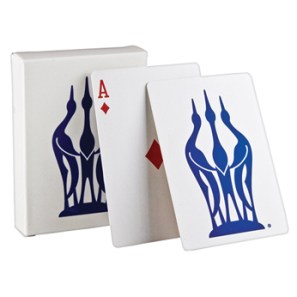 Playing cards are believed to have originated in China and then spread to India and Persia. They arrived in Europe in the early 14th century, and were finally introduced to America through explorers and soldiers. Small in size and simple in design, playing cards have gone through centuries of artistic change to evolve into one of the most popular gifts for any gender or age.
 newfound identity