Designed To Stand Out

BackStrap-Black-PhoneEvery brand should have a twist in order to be heard over all the other brand noise in the marketplace.  Whether it’s with a catchy advertising jingle that you can’t get out of your head; a fun-loving quirky spokesperson, like Progressive’s hugely popular “Flo”; or high-design merchandise like the Apple products, companies looking to appeal to their audience on an emotional level should always be looking for that edge.

Fortunately, when it comes to distributing branded giveaways, stand-out designs don’t always mean expensive price tags.  Furthermore, product designs that get noticed for one company aren’t necessarily the same types of products that a different audience would appreciate.  As always, when choosing a great item for your next promotional gift, consider the audience and the brand message you want to convey, with a design that is fresh and a cost that makes sense for your budget.

I’ve provided a few examples of practical products that also offer creative design elements.   And, of course, all items have room for a logo imprint.

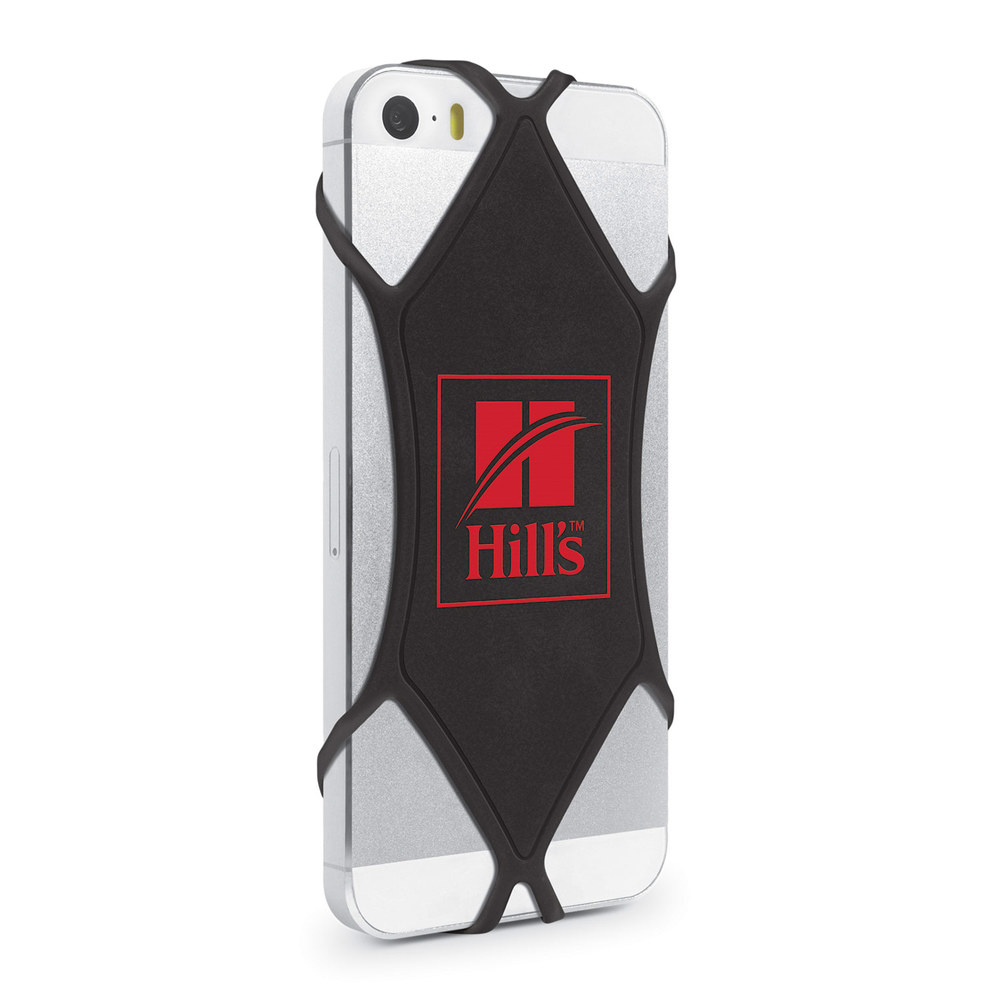
  • Phone or tablet backstrap:  Provides protection from surface scratches while giving you a place to hold cards or documents.
  • Silicone speaker amplifier:  Boosts sound on a smart phone up to 200% without external power source while holding the phone for easy media viewing.
  • Wireless activity tracker:  Count steps, calories, nutrition and sleep with a wrist device or less-expensive clip-on unit.
  • Custom notebooks:  Build a notebook with a custom cutout shape, insert pages, clip-in bookmark, usb pocket or dozens of other custom options.
  • Performance fabric t-shirt:  Moisture wicking, anti-odor technology changes the game for the next tee giveaway.

Great product design comes in all shapes, colors and sizes.  Those products stand out because the designs are fresh while their intended use still makes sense for the recipient.  It takes a little more time to be creative, but it’s worth the effort when your customers takes notice!


What Are Corporate Buyers Buying?

product matrixWhen evaluating what may be the most effective product options for the next branded giveaway, it’s sometimes helpful to know what has been successful for other companies.  Fortunately, the ASI (Advertising Specialty Institute) study of the market share of each product category is available every year as a summary of what was sold the previous year.  Most of the results are not surprising (sale of electronic items grew by 13% over the past two years), and others are a happy surprises (sales of sporting goods and leisure products jumped by 58% in the past five years).

Below is a summary of what’s hot and what’s not by percentage of sales:

  • Shirts:  19.7% (shirts accounted for approximately $4 billion of sales)
  • Writing Instruments:  9.7% (grew from 8.1% of the market to 9.7%)
  • Bags:  8.6%
  • Drinkware:  8.5% ($1.74 billion worth of drinkware products in 2013)
  • Other Wearables:  6.8%
  • Caps/Headwear:  5.0%
  • Desk/Office/Business Accessories:  5.0% (sales increased by 16% last year)
  • Calendars:  3.4% (sales dropped by 21% over past 5 years
  • USB drives:  3.4%
  • Health and Safety Products:  3.2%
  • Buttons/Badges/Ribbons/Stickers/Decals/Emblems/Transfers/Lanyards:  2.7%
  • Housewares/Tools:  2.6%
  • Electronics:  2.6% (sales from electronic items grew by 13% over the past two years)
  • Recognition Awards/Trophies/Jewelry:  2.5%
  • Computer-Related Products (except USB drives):  2.0%
  • Sporting Goods/Leisure Products:  2.0% (sales in this category have jumped by 58% in the past five years)
  • Automotive Accessories:  1.9%
  • Magnets:  1.6% (magnets accounted for $330 million worth of sales)
  • Books/Cards/Postcards/Stationery/Giftwrap:  1.6%
  • Textiles:  1.6%
  • Food Gifts:  1.5% (more than $300 million worth of edible promotional products were sold in 2013)
  • Personal/Pocket-Purse Products:  0.9%
  • Clocks/Watches:  0.7%
  • Games/Toys/Playing Cards:  0.7%
  • Gift Cards:  0.7%
  • Other Products:  0.8%

Branded giveaways are a proven successful tool for increasing brand awareness.  Knowing how each category of promotional products is trending provides valuable insight into the consumer trends that every company should track.  Stay informed, and connect with your customer using products that hit the mark!

Get In The Game

blanketIt’s September, and football season has started – time for the corporate branding team to get in the game!   Almost everyone has a favorite team – high school, college or professional – and many of those fans will find themselves at a game this season.  According to ESPN, every NFL team drove between 942,000 and 1,279,000 fans to their games in 2013.  Football attendance topped 50 million for the first time in 2013 for NCAA schools, and Friday night at the local high school stadium remains a favorite fall outing. Considering the vast number of fans and the snug seating arrangements in the bleachers, companies have a great opportunity to take advantage of the high visibility for any branded merchandise that is used by employees and customers at those games.

Imagine the possibilities:

  • Two-sided blankets that offer the warmth of fleece and a waterproof backing
  • Square, round or rectangle shaped stadium cushions to soften the hard, cold seats
  • Waterproof pouches for phones
  • NFL approved clear vinyl totes for all the essentials we have to carry through stadium security
  • Covered stadium cups for the pre-game tailgate party
  • Knit scarves and hats in the corporate colors
  • Rain ponchos for the inevitable inclement weather

All the products that make game-day easier for the football enthusiasts are appreciated and used all season long.  Get in the game! and consider these options when looking for a high profile seasonal giveaway for increasing brand awareness.


Enjoy The Holidays – Plan Early

plan“By failing to prepare, you are preparing to fail.”  Benjamin Franklin   This quote could apply to just about anything – preparing for a college exam, an important job interview, or a new corporate product launch.  Planning takes time and more than one contributor to prepare for the desired end result, but the level of eventual success is nearly always in direct correlation to the amount of thoughtful planning at the beginning of the process.

In consideration of this fact, now is the time to begin planning for your holiday promotion.   With enough time, samples can be ordered and reviewed; custom pieces can be produced domestically or overseas; and print materials like personalized thank-you cards can be created.  You avoid product inventory shortages, holiday plant closures, and extended production times.  And then there’s the WOW factor!   Planning ahead provides time for consideration of unique gifts that will represent your brand in creative ways that rarely happens with a last-minute thought and rush ordering.

Some creative gift ideas and their lead times:

4 – 5 months:

  • Custom-built car, truck or plane with company markings and retail packaging
  • Tailor made clothing item like fleece jacket in corporate PMS color-matched fabric and contrasting zippers

2 – 3 months:

  • Game sets like bocce ball or horseshoes customized in the logo colors; or sport balls like baseballs with unique corporate images
  • Scarves or blankets with knit-in logo, lush fabrics and custom labels

30 days:

  • Custom cover, book jacket or promo page in any popular gift book (photography, architecture, travel, business, dining, etc)
  • Wood-carved items such as boxes, carving boards, and executive puzzles designed to reflect the corporate logo, truck fleet or city skyline

Regardless of the budget, there is a unique gift solution for every holiday promotion.   But the closer we get to that December ship date, the choices become more limited.  Plan early this year, and enjoy the holidays with less stress and increased client recognition of your creative thoughtfulness.


Brands Stay Current With Color

radiant orchidAt first site, Radiant Orchid, Pantone’s 2014 color of the year, may not seem to be the easiest color to incorporate into your corporate branding strategy.  After all, a study of the world’s top 100 brands (determined by brand value) shows the most popular colors among top brands are blue (33 percent), red (29 percent), black or gray scale (28 percent), and yellow or gold (13 percent).  Not a purple hue among them!  But with thoughtful consideration of the various ways to incorporate the color trends into your marketing game plan, you can stay current without sacrificing the consistency of your branding message.

Refresh web site images:  Although a corporate web site is the best place to showcase the corporate colors, it should also be the place that is consistently updated with news clips, calendars, videos and photos.  The new color of the year may be reflected in subtle images like a tree with purple flowers; or in an on-line ad for a new customer contest using a splashy new background or text color.

Customize online display advertising:  Online display advertising is different from your website or landing page. Display ads will be competing with many other elements on the page that are out of your control.  Test new colors in photography, illustrations and font to help your ad stand out.

Incorporate new colors into promotional product mix:  News flash! Promotional product giveaways don’t always have to be the same color as the corporate logo.  As long as the logo is imprinted according to brand guidelines, the products themselves should appeal to the audience in a creative way.  Tote bags, flash drives, writing instruments, drinkware, caps and t-shirts could all be offered in a variety of colors – with the same logo design, of course – to demonstrate how your brand is both consistent and up-to-date.

While it’s imperative that a brand maintains color consistency in order to achieve long-term consumer recognition, it is also important to let your customers know that your company is not only aware of popular trends, but is also responding to them.  Staying current is easy with color – give it a try!

(Image via Pantone)


Generational Marketing

different-heights-01Marketing tactics and media outlets will differ depending on the target audience, so in order to reach those buyers effectively marketers must look at the data to properly design their strategy.  The latest market data for Millennials, Gen Xers, baby boomers and the Silent Generation may surprise you, but the information is a valuable tool for all companies looking for more powerful ways to sell their products and services.

As a guide for this discussion, it may be helpful to know the age definition of the generations marketers are trying to reach.  According to a 2011 Pew Research report, the four target generations can be defined as follows:

  • Millenials:  Born between 1977 and 1992 (age 37 and younger)
  • Gen X:  Born between 1965 and 1976 (age 38 – 49)
  • Baby Boomer:  Born between 1946 and 1964 (age 50 – 68)
  • Silent Generation:  Born between 1928 and 1945 (age 69 – 86)

Millenials:  A UBS survey earlier this year determined that Millenials are still traumatized from the 2008 financial crisis.  Morley Winograd, co-author of Millenial Momentum: How A New Generation Is Remaking America, states “There’s a very clear indication in the market that the effect of the Great Recession on that generation’s psyche is not going away”.  Bottom-line:  Companies need to offer a better bargain, without sacrificing quality or innovation.  Think about giving useful items like a phone charger to catch the attention of this demographic.

GenX:  A 2013 study by the MetLife Mature Market Institute revealed that members of Generation X are especially health-conscious.  Other studies find that they are appreciative of creativity and function – in other words, they love useful things that look cool.   A stylish pen or anything related to technology are good bets for promotional items designed to reach this contingent.

Baby Boomers:  Comprising half of America’s population by 2017, this group is most passionate about the environment.  According to Brent Green & Associates, a consulting firm that specializes in baby boomer-oriented marketing, Earth Day and Whole Foods were founded by older boomers, at the beginning of a eco-conscious movement that started in the ’60’s and ’70’s.  Organic, eco-friendly products are a must for this group.

Silent Generation:  According to the latest US Census data, people 65 and older control 75% of the country’s wealth, along with 70% of its disposable income.  This generation thinks more about the grandchildren than themselves, and are likely to take time to travel to destinations they didn’t have the time or money to visit earlier in their lives.  Travel necessities or a daypack for the grandkids will be appealing to these folks.

When you consider the data, and allow for the differences between the age groups, generational marketing allows you to speak to your audience in their own language.   Try tailoring your marketing message and enjoy the benefits of a more loyal, engaged client base.

Made Better In America

usaThere are many reasons to prefer merchandise that is made in the USA – patriotism; opposition to foreign standards on low wages and poor working conditions; support of domestic jobs – but the one I like the best is the quality of US-made goods over that of many overseas manufacturers.  And when a corporation adds their logo to an item that will be distributed as a way to increase brand awareness, that company wants to know the quality of that product reflects the quality of their brand.
Americans recognize the competitive advantage of American-made goods, and are not settling for just the cheapest product anymore.   Added to the fact that the cost competitiveness of US manufacturing has begun to take off, while the rising labor costs in China erode their cost advantage, USA-made merchandise becomes not only a choice that’s good for the corporate conscience, but is also a practical decision for the budget-minded.

As for the quality of those goods – the high US manufacturing standards and strong employee attitudes around pride in the quality of their work, contribute to the product excellence buyers are looking for.  According to the Boston Consulting Group, 80% of consumers surveyed said they would be willing to pay more for “made in USA” products than those with a “made in China” label.  Not surprisingly, BCG goes on to report that 82% of Chinese say they “agree” or “strongly agree” that they feel better about Made in USA quality.  Made in USA has come to represent old world craftsmanship and socially responsible values.

But once convinced that the quality and price for USA-made goods make it an attractive choice for corporate logo products, it’s good to know the types of merchandise that are easily sourced and readily available for timely shipping.  After all, very few corporate event planners consider their giveaway sooner than a few weeks prior to the need date.  I have listed below a few of the most common promotional items in the Made in USA category.

  • Items made from recycled materials:  drinkware, flyers, ice scrapers, bag clips
  • T-shirts
  • Pens
  • Tote bags
  • Key tags
  • Ceramic mugs
  • Mouse pads
  • Calendars
  • Lip balm

When considering your next promotional product, consider the quality of USA-made merchandise.  Your customers will notice!


Fore! The Love Of Golf

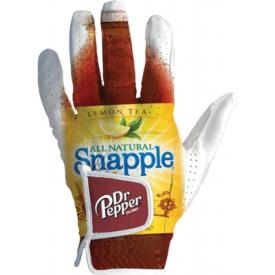
golf gloveAccording to the National Golf Foundation, there are over 29,000,000 golfers in the United States, with an average annual household income of $95,000.  In consideration of the popularity of the sport and the purchasing power of those individuals, corporate marketers continue to add their logo to everything from golf balls to golf gloves in an effort to increase brand awareness.

And why not?  The statistics give us a picture of a demographic that most companies, regardless of their product or service, would be pleased to attract.  The profile of the average golfer describes a mostly male demographic at an average age of 46, attended and/or graduated college and owns at least one home.  Insurance companies, financial institutions, automobile manufacturers and the travel industry are just a few of the corporate entities that would have a reason to distribute branded golf merchandise through an annual sponsored tournament or just as a leave-behind when visiting key customers.

Want to know more about the golf enthusiasts in your target audience?  Read on for a little more insight into where they may be spending their money in the next 12 months.

Golfer Purchase Plans:

  • 53% Golf equipment
  • 47% Automobile purchase/lease
  • 40% Financial planning
  • 59% Banking
  • 46% Computer Hardware
  • 46% Continuing education/training
  • 84% travel/vacation
  • 33% Furniture/home furnishings
  • 37% Legal/consulting services
  • 45% Health/auto/life insurance
  • 48% Office equipment

Golf is a year-round sport in the warmer climates, and goes into full swing for the rest of us in the next few months.  Those individuals who never have enough golf balls for the tall  grass in the rough and the watery graves of the water holes are the same people with purchasing power.  Start now with plans to consider some of the creative new golf products that can increase your brand’s visibility with the golfers in your target market.

(Image via Ball Pro)

Tee It Up!

tee3According to an industry poll, 44% of US consumers own a promotional t-shirt.  Surprised?  Probably not!  Considering how many tees most of us have stashed in our drawers at home, this statistic is probably not breaking news.  There are more fabric color choices than ever, with creative decoration options like sublimation, bleaching, all over screenprints, and metallic inks that allow for unique logo treatments for all types of brands.

But who should corporate marketers target with this ever-popular wardrobe staple?  Read on for the numbers that tell the story.

What age group is most likely to own a branded shirt?

  • 48%:  21 to 34 years old
  • 45%:  35 to 44 years old
  • 33%:  45 to 54 years old
  • 35%:  55+

Do Women or Men own the most promo shirts?

  • Men:  45%  Women:  40%

Of the twelve U.S. metro cities where people were polled, where are the residents most likely to own a promotional t-shirt?

  • Atlanta, Georgia:  46% vs 44% in the U.S.

Of the 21 international metro areas, where do consumers own the most branded shirts?

  • Rome, Italy:  53%

What racial demographic owns the most promotional t-shirts?

  • Latinos:  52%

Which voters are most likely to own a branded shirt?

  • Independent:  46%
  • Republicans:  41%
  • Democrats:  40%

T-shirts are an inexpensive giveaway that can carry a brand message in unlimited creative ways.  Young male consumers, in particular, are likely to continue wearing the shirt, but their appeal is broad and the high number of impressions captured from repeated exposure on the street, in the gym and around town makes it an easy choice for the investment.  Don’t overlook this seemingly common promotional giveaway for the next marketing event – the numbers will support your choice!

(Image via megbiram.com)