
 We use our smart phones for everything. Talking, shopping, making dinner reservations, following navigation directions, getting stock updates – the list is endless. However, bouncing between apps, and trying to stay on top of everything through multiple functions can be time-consuming and unproductive. The phone alerts that need to be silenced during meetings; the constant search for the perfect list-making app; and the need for many of us to still use sticky notes for the things that we absolutely, positively cannot forget has brought us full circle to the time-tested journal as the perfect tool for getting organized.
The journal works on the premise that nothing is forgotten if it’s written down. An idea for the next blog, an appointment, sales goals, client information – it can all be recorded with a personally designed organizing system, or with the help of popular new systems like those employed by the designer of the Bullet Journal.
As reported in the Wall Street Journal, another popular journal brand, Moleskine, revived the popularity of journals in 1997 with a traditional leather-bound notebook and has seen revenues double over the last 5 years. And many of those users are millennials who embrace the digital lifestyle. Why? According to Moleskine co-founder Maria Sebregondi, “… even the most plugged in people find it comforting to create their own designs”.
Companies who recognize this trend take advantage of the branding opportunities and apply their logo to journals in every style and price point. The choices range from simple styles that offer chip board covers, 70 sheets of paper and wire binding – to the more sophisticated versions with features like die-cut covers, custom tip-in pages with graphics and event details, business card pockets, and pen ports. These journals are used every day at home and in the office by the scores of customers who welcome an opportunity to write it down instead of logging it in – what better way to keep your brand front-of-mind?
Consider the classic journal for your next promotional gift – it’s not techy, and for many of us, that’s the point.
 The months between September and December are a time of change for consumers. Back-to-school tasks for children and young adults hit frenzy mode by late summer; parents and caregivers have once again re-shuffled their schedules to accommodate the school calendar; and professionals in every industry are planning for the end-of-year push to meet their revenue goals.
 Vintage-inspired merchandise appeals to every age group. The Baby Boomers used the original and are happy for a newer version; Gen X, the crossroads generation that grew up before the internet, love a remake of anything nostalgic; and Millennials, the tech-savvy crowd that ushered in social media, find relief in all things that remind them it’s ok to slow down a bit.
 According to
  Approximately half of U.S. employers offer wellness program initiatives. These initiatives are aimed at reducing health care costs, absenteeism, and health-related productivity losses. The programs often offer a combination of wellness screenings and intervention efforts through promotion of healthy lifestyle choices. And, of all the lifestyle intervention options, 79% of the programs focus on good nutrition and weight management.
 In our media-crazy world, sometimes we forget the importance of a face-to-face setting with others in our industry, or even in our same company. But emails, the internet and the occasional video chat cannot entirely replace a well-run business conference where people can come together to discuss new trends and opportunities pertaining to the business.
 It would not be much of a stretch to say that t-shirts have become the most popular outer garment in the world. The fit and style options of today’s t-shirts can accommodate a conservative audience with classic taste, or can appeal to the younger crowd looking for body-hugging shirts that are longer in length and softer to the touch. The fabric choices range from 100% cotton to varying degrees of cotton blends, color choices are endless, and with the right graphics, this apparel staple can become a wardrobe statement piece.
 The Merriam-Webster simple definition of the word program is “a plan of things that are done to achieve a specific result”. That definition, though broad, provides the starting point for every discussion around a corporate logo merchandise program.
 OK, the classic quote actually talks about good things that come in small packages, but the same concept applies when considering the impact creative packaging brings to a branded product.
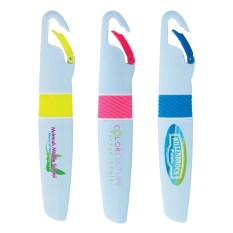 The Advertising Specialty Institute (ASI) data shows the average American owns 10 promotional products and keeps each one for about 8 months. Why? Because they come in handy. Promotional products that are useful are more likely to be kept longer, thereby increasing the number of impressions for that logo, and building brand awareness.
 newfound identity