
 According to healthfinder.gov injuries are a leading cause of disability for people of all ages – and they are the leading cause of death for Americans ages 1 to 44. In an effort to prevent and control workplace hazards, and stem the growing workers’ compensation costs, many companies have launched injury prevention programs. In fact, currently 34 states have established laws or regulations designed to require or encourage injury and illness prevention programs.
While ongoing safety programs are proven to increase loyalty and decrease illness and injury, there are many companies that supplement a formal program with spot incentives and reminders to increase awareness of preventive safety measures in the workplace and in the community. Since safety at home, on the roads and in our communities is equally as important as safe practices at work, using the month of June as an opportunity to provide reminders of the power we all have to prevent accidents is a corporate initiative worth implementing.
Product ideas for branded merchandise that will help with that call to action can be guided by the weekly safety topics that will be highlighted in June through the National Safety Council.
- Week 1: Stand Ready to Respond
- first aid kit; emergency contact information magnets; survival tool
- Week 2: Be Healthy
- pedometer; pocket calorie counter; jump rope
- Week 3: Watch Out for Dangers
- flashlight; bright colored duct tape; hard hat key chain
- Week 4: Share Roads Safely
- bicycle safety light; helmet reflectors; reflective armband/sneaker stickers
Individual safety awareness is a choice to stay healthy and active. Show your employees, customers and community neighbors that your company cares about their well-being – they will thank you with increased brand loyalty.
 Corporate attire doesn’t have to be boring. It should be comfortable and reflect a style that today’s young professionals can relate to. The clothing should echo the image of your company, without making such a bold fashion statement that the reactions are more about the shirt than about the brand.
 Approximately half of U.S. employers offer wellness program initiatives. These initiatives are aimed at reducing health care costs, absenteeism, and health-related productivity losses. The programs often offer a combination of wellness screenings and intervention efforts through promotion of healthy lifestyle choices. And, of all the lifestyle intervention options, 79% of the programs focus on good nutrition and weight management.
 In our media-crazy world, sometimes we forget the importance of a face-to-face setting with others in our industry, or even in our same company. But emails, the internet and the occasional video chat cannot entirely replace a well-run business conference where people can come together to discuss new trends and opportunities pertaining to the business.
 It would not be much of a stretch to say that t-shirts have become the most popular outer garment in the world. The fit and style options of today’s t-shirts can accommodate a conservative audience with classic taste, or can appeal to the younger crowd looking for body-hugging shirts that are longer in length and softer to the touch. The fabric choices range from 100% cotton to varying degrees of cotton blends, color choices are endless, and with the right graphics, this apparel staple can become a wardrobe statement piece.
 According to the Incentive Research Foundation (IRF), $77 Billion is being spent by companies annually on non-cash rewards and recognition to motivate and engage their workforces. Motivating and engaging the workforce, says IRF, is being done in an effort to make workplace improvements.
 The Merriam-Webster simple definition of the word program is “a plan of things that are done to achieve a specific result”. That definition, though broad, provides the starting point for every discussion around a corporate logo merchandise program.
 OK, the classic quote actually talks about good things that come in small packages, but the same concept applies when considering the impact creative packaging brings to a branded product.
 sing the ravages of the 1969 massive oil spill in Santa Barbara, California,
 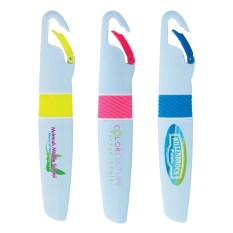 The Advertising Specialty Institute (ASI) data shows the average American owns 10 promotional products and keeps each one for about 8 months. Why? Because they come in handy. Promotional products that are useful are more likely to be kept longer, thereby increasing the number of impressions for that logo, and building brand awareness.
 newfound identity